
Alarm Fatigue: Headcount Is Not the Answer

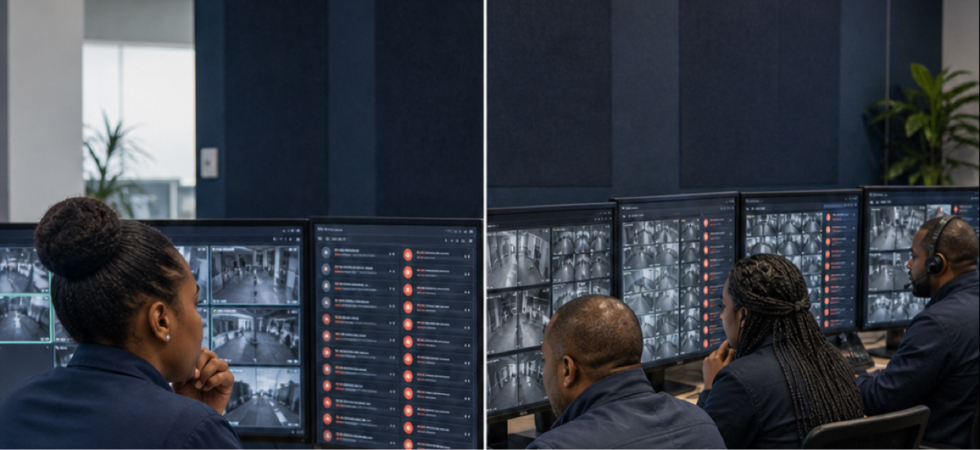
When alarm volume climbs past what a control room can reasonably handle, the instinct is almost always the same: add another operator. Split the queue, spread the load, get more eyes on the screen. It feels like the responsible move — more coverage, more attention, more safety.
Only it doesn’t work. Adding people to an unfiltered alarm queue doesn’t reduce the noise; it just gives the noise more people to wear down. If a system is generating hundreds of nuisance alarms a shift, hiring a second operator doesn’t cut that number in half. It means two people are now numb to it instead of one.
Alarm fatigue isn’t a staffing problem. It’s a signal-quality problem. And no amount of headcount can help you scale operations efficiently while ensuring your customers get the best possible service from your operators.
More operators, same broken signal
Most alarm fatigue research, while mostly focused in a medical setting, is consistent on this point: those monitoring alarms don’t disengage because they’re lazy or undertrained. They disengage because the alarm system has trained them to. When 80-90% of alarms carry no meaningful action, the rational response — even for a sharp, conscientious operator — is to stop treating alarms as urgent. That’s not a people failure. It’s desensitization, in a nutshell.
Adding a second or third operator to that same work queue doesn’t change the signal-to-noise ratio. It just adds more people who will, on the same predictable timeline, learn to tune it out. You haven’t fixed the problem. You’ve distributed it.
Headcount treats the symptom, not the cause
The appeal of adding staff is that it seems like a quick and logical fix. It doesn’t require having the harder conversation about why the system is over-alarming in the first place. It shows up as action. It’s visible. Leadership can point to it.
But it’s also the more expensive fix, and it’s the one that expires fastest. New hires inherit the same unfiltered queue and go through the same fatigue curve as everyone before them — usually faster, because they’re absorbing the backlog on top of learning the job. Meanwhile the actual defect in the system, the flood of alarms that shouldn’t be alarms at all, is left completely untouched.
Headcount doesn’t reduce the number of false or low-value alarms. It just changes who’s ignoring them.
The lever that actually moves the number
What really makes the difference, is a smaller, more meaningful feed. That means alarm rationalization: reviewing what’s actually alarming, why, and whether each one meets the bar for requiring operator action. If you’ve set your certainty percentage too low, you’re going to have a lot of chattering and standing alarms instead of routing around them. But what you really need to do is build an alarm philosophy that treats every new alarm as a cost, not a free safety net.
Done well, this work doesn’t just reduce volume — it restores trust. When an alarm sounds and it consistently means something, operators respond to it. That’s the entire goal of an alarm system, and it has nothing to do with how many people are staffing the board.
The question worth asking
When alarm volume rises, is your first instinct to hire, or to filter?
If the answer is hire, it’s worth pausing on why. Filtering is harder — it means auditing a system that’s probably been left alone for years, and it means someone has to own the decision of what stays and what goes. But it’s the only lever that actually reduces the thing causing the fatigue.
Ready to see what your alarm system actually looks like? Get in touch to talk through a rationalization approach that starts with the signal, not the staffing chart.
Related Articles