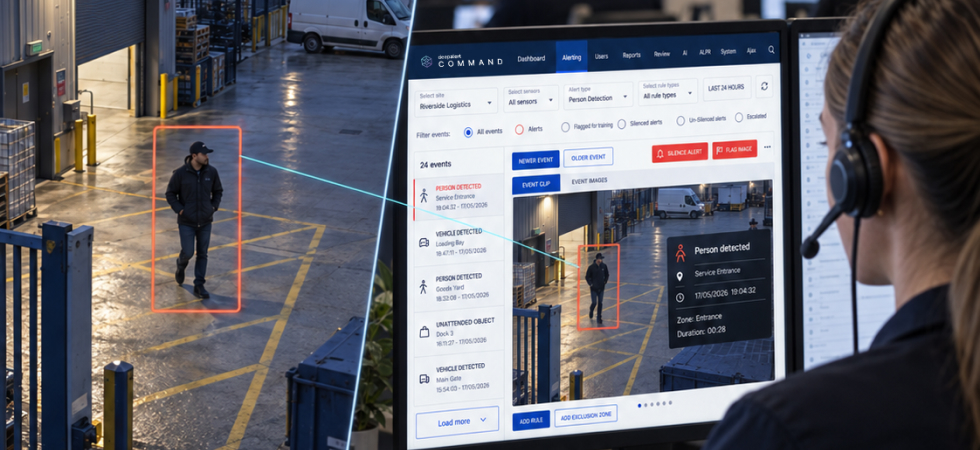
Detection is the Easy Part: Why Video Monitoring SOPs Matter
Better detection gets an operator to the decision point faster. Strong video monitoring SOPs provide the context, authority and next steps needed to turn that alert into action.

Better detection gets an operator to the decision point faster. Strong video monitoring SOPs provide the context, authority and next steps needed to turn that alert into action.

A high camera health score can look reassuring while hiding the failures that matter most. For ARCs and multi-site operators, the real question is not how many cameras are healthy, but whether critical coverage is still intact.
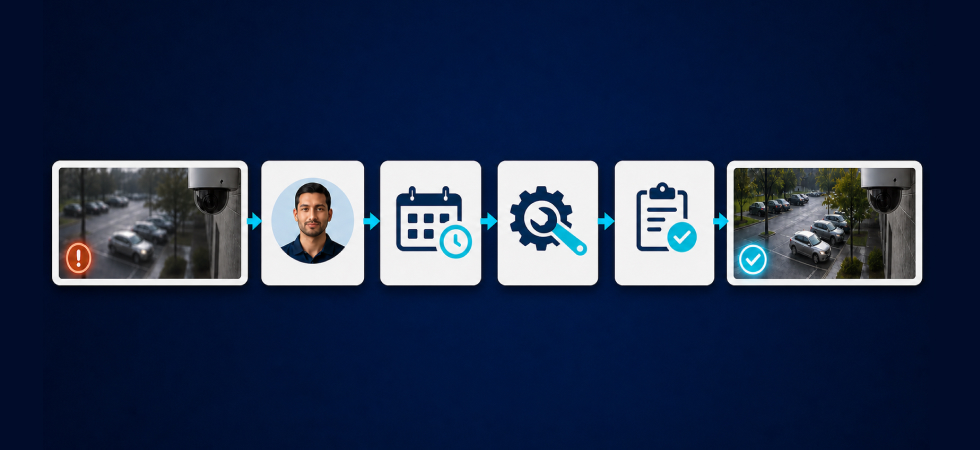
Automated camera health monitoring can identify faults, but detection alone does not fix them. Without clear ownership, deadlines, escalation and a closed maintenance record, even the best health reporting becomes another list nobody acts on.
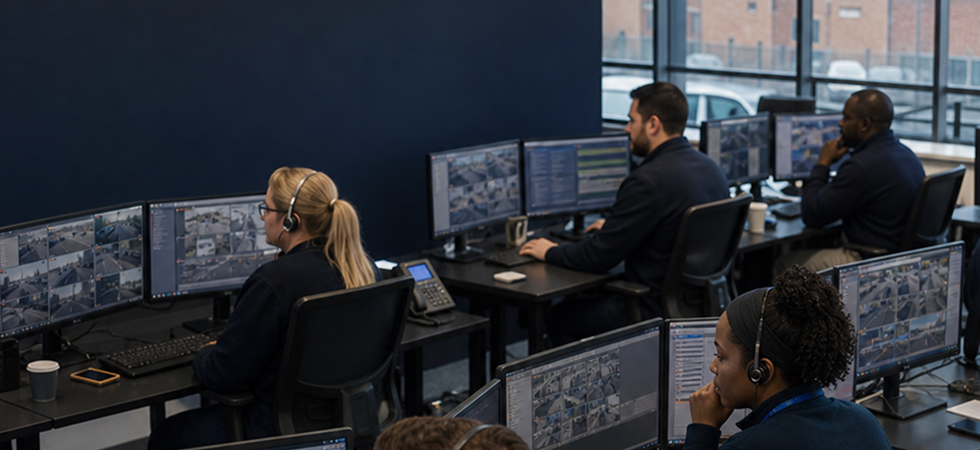
Alert fatigue is more than an operational challenge. Low-value alerts consume operator capacity, increase staffing requirements and make profitable growth harder. This article looks at where the costs appear and how improving alert quality can help control rooms scale more efficiently.
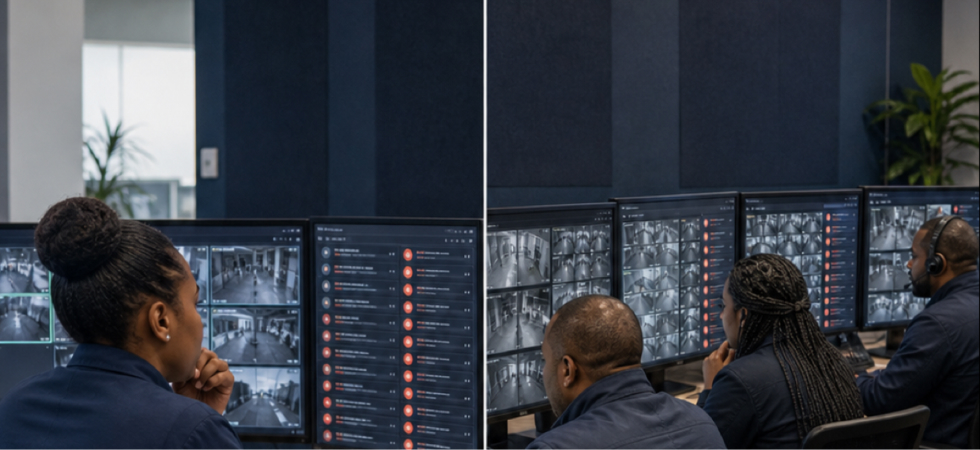
Adding operators to an overwhelmed alarm queue doesn’t fix alarm fatigue — it just spreads the desensitization across more people. The real issue is signal quality: when most alarms carry no meaningful action, operators learn to tune them out. The fix is filtering the noise at the source, not growing headcount.

AI-powered security systems can differentiate between individuals and objects, recognise faces, and identify suspicious behaviour.